How Client & Community Stories Help Nonprofits Build Donor Trust
Growth in San Diego's nonprofit sector depends on trust. Donors, funders, and volunteers research carefully before committing their time or money, and they want to see real impact, not just mission statements.
Let the people you serve speak for you.
Individual stories put a face on your mission. Used across your website, grant proposals, and stewardship campaigns, they build trust in a way statistics alone can't. If you're looking for a nonprofit video production company in San Diego to help tell those stories, here's what makes them work and how to use them.
Why a Client and Community Story Carries Unique Weight in San Diego
San Diego's nonprofit sector is tightly networked, and reputation travels quickly. Social service organizations, community foundations, faith-based groups, and advocacy nonprofits often share donors, volunteers, and board members, so a story from a recognizable local voice adds immediate credibility.
Filming on location strengthens that further. Beneficiaries at program sites, volunteers in the field, community leaders in the neighborhoods they serve. Real environments reinforce trust in a way a studio setup never quite can.
Three Story Types That Do the Heavy Lifting
Not every story serves the same purpose, so choosing the right type for the moment makes the message land.
Client testimonials are direct accounts from the people your programs serve. These are the clearest evidence that your mission delivers on its promise. These could also be called participant or beneficiary testimonials.
Student and alumni stories are longer-arc narratives showing growth over time. This format works especially well for education-focused and youth-development nonprofits building a case for sustained support.
Community impact stories show broader ripple effects across a neighborhood or population, useful when a single beneficiary can't capture the full scope of the work.
Used together, these three formats give a nonprofit a flexible library to draw from: a quick testimonial for a social post, an alumni story for a major gift proposal, a community impact video for an annual report.
Here is an example of a client testimonial video we produced for a San Diego business. The same principles apply to nonprofit testimonials.
How to Film a Nonprofit Testimonial Video
Specific, measurable impact
Strong stories focus on outcomes: families housed, meals distributed, students mentored, lives changed. A vague statement about "making a difference" doesn't land the way a concrete number does. When a storyteller can point to something measurable, the story carries authority.
Clear story structure
Effective stories follow a simple flow: the initial challenge or need, the decision to seek help or get involved, and the change or outcome achieved. People facing uncertainty look for guidance from others who have already been through something similar, and a well-structured story gives them exactly that.
Emotional authenticity
Donors and volunteers respond to genuine emotion and clarity. Facial expression and tone of voice communicate sincerity in a way that written testimonials can't, and that emotional engagement is often what moves someone from watching to giving.
Production quality as a signal
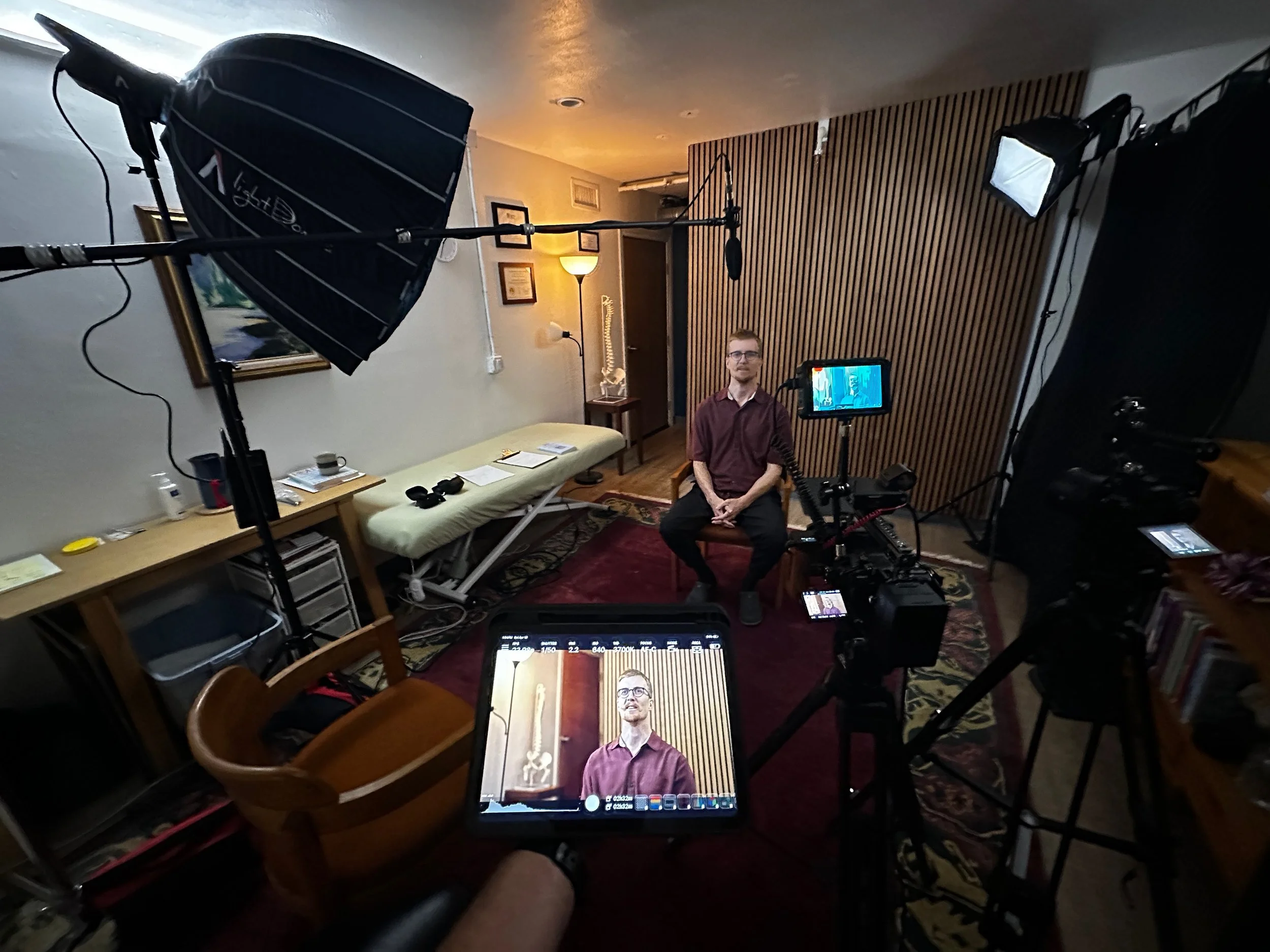
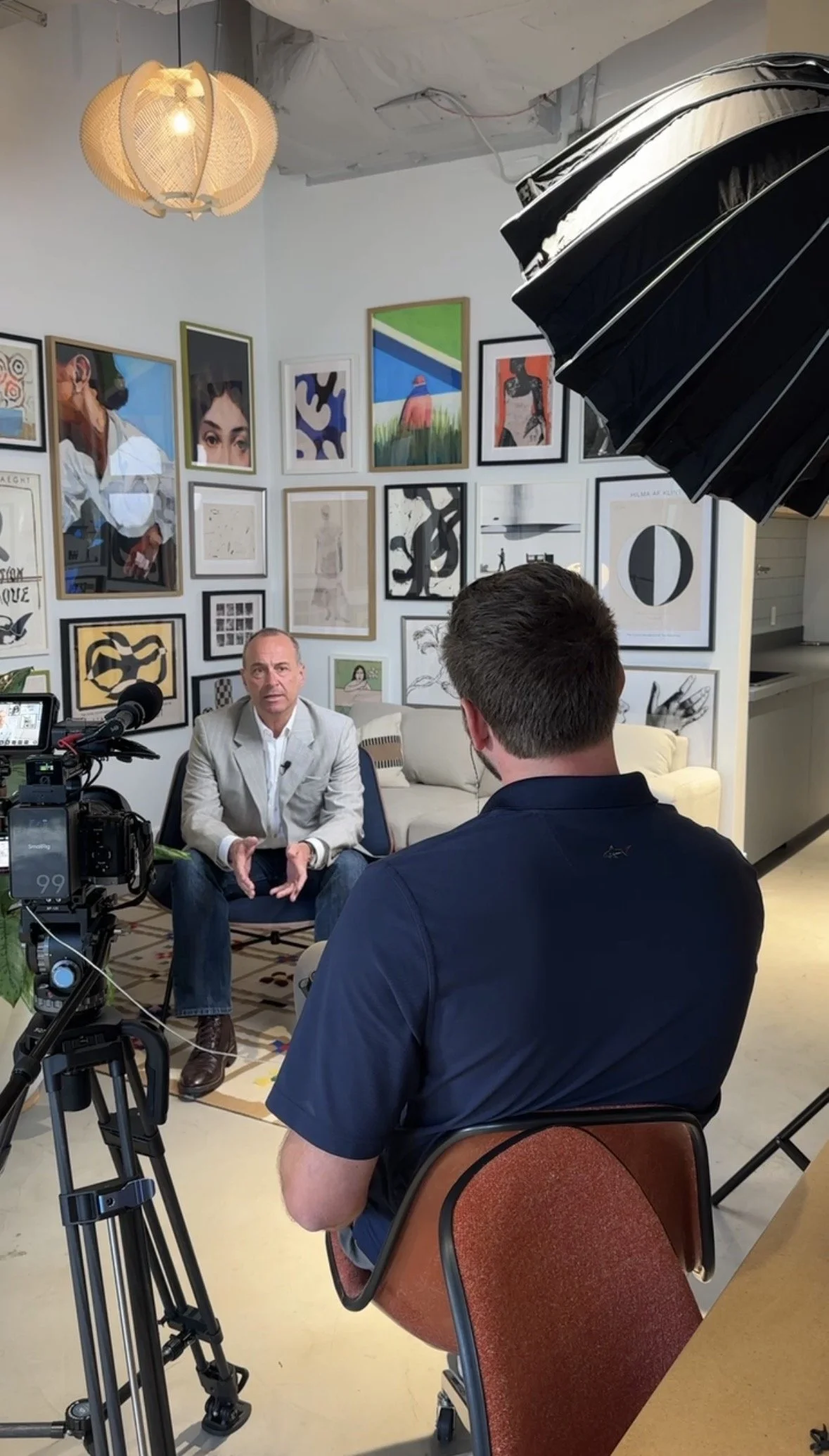
Lighting, audio, framing, and editing all shape how a story is perceived. Professional production signals that a nonprofit takes its mission seriously, while poor production can unintentionally suggest disorganization. In a competitive fundraising landscape like San Diego's, that perception shapes giving decisions before a donor ever opens a grant proposal or annual report.
Why Client and Community Stories Drive Nonprofit Growth
Giving involves a leap of trust, and donors want to know their contribution will matter. When someone sees a person like them describe real change, the perceived risk of giving drops.
A strong story also answers common donor questions early: does this actually work, and where does the money go. Prospective donors and grant reviewers arrive informed and reassured, which shortens the path from interest to gift. This is why video is becoming a standard part of the nonprofit grant proposal packet rather than an extra.
For existing donors, a story does something different: it reassures them their past gifts made a difference. A student alumni story or a community impact video shown in a stewardship campaign builds the case for renewed or increased giving.
Video also increases time on page, and longer engagement signals relevance to search engines. Embedding client and community stories on donation pages and program pages strengthens both the visitor experience and your search visibility.
Why Video Outperforms Written Testimonials
Written testimonials provide information, but video adds depth. Eye contact, body language, and vocal tone all shape how much someone trusts what they're hearing, and video delivers those cues directly in a way text can't.
Professional production adds clarity and structure on top of that. Strong interview technique draws out concise, heartfelt answers, and clean editing removes distractions. Few nonprofits invest in this level of storytelling, which makes it a real differentiator with funders.
A Practical Framework for Nonprofits Ready to Film
Step 1: Choose the right story type and storyteller
Decide whether the moment calls for a client testimonial, a student or alumni story, or a broader community impact story. Then choose a storyteller with a clear, measurable outcome to share, strong communication skills, and a story that resonates with your target donor audience.
Step 2: Ask focused questions
What was your situation before you connected with this organization? What changed? What measurable difference did this program make in your life or community? Who would benefit most from support like this? Open-ended questions like these create a natural story flow.
Step 3: Film in a relevant environment
Use real locations: program sites, neighborhoods served, community events. San Diego offers strong environments across the nonprofit sector, and using them strategically makes the story more credible.
Step 4: Distribute across channels
Place client and community stories on homepages, donation pages, grant and funder proposals, stewardship campaigns, LinkedIn, YouTube, and year-end appeal campaigns. Repurpose short clips for social media, transcripts for your annual report, and still frames for presentations. One well-produced story can generate multiple marketing and fundraising assets.
Work With a San Diego Nonprofit Video Production Company That Understands Your Mission
Filming beneficiary interviews, documenting program sites, or capturing community leadership takes preparation and sensitivity. A strategic video partner understands the nuances of mission-driven storytelling, films efficiently and respectfully, and delivers content that supports measurable fundraising and program goals.
Start with one client or community story. Capture it professionally. Deploy it across your outreach channels.
Looking for nonprofit video production near you in San Diego? Start a project inquiry to discuss your goals today.
FAQ
What's the difference between a client testimonial, a student/alumni story, and a community impact story?
A client testimonial is a direct account from someone your programs served. A student or alumni story tracks growth over a longer period. A community impact story zooms out to show effects across a broader population.How do I film a nonprofit testimonial video?
Choose a storyteller with a clear outcome to share, ask open-ended questions about their before-and-after experience, film in a real program location, and invest in professional lighting and audio so the final video reflects well on your organization.Are testimonial videos better than written reviews?
Yes. Video communicates emotion, credibility, and trust more clearly than text alone, which matters when asking someone to give or volunteer.Where should client and community stories be placed?
Homepages, donation pages, grant proposals, stewardship campaigns, and social channels for maximum impact.Can video be used in a grant proposal?
Yes. A short, well-produced impact video included with or linked in a grant proposal helps reviewers connect emotionally with your mission and can strengthen an otherwise text-heavy application.How much does a nonprofit testimonial video cost in San Diego?
Costs vary based on the number of stories, filming locations, and production complexity. Most nonprofit video production packages are scoped after an initial consultation to match your budget and campaign goals.
