The Power of Brand Storytelling
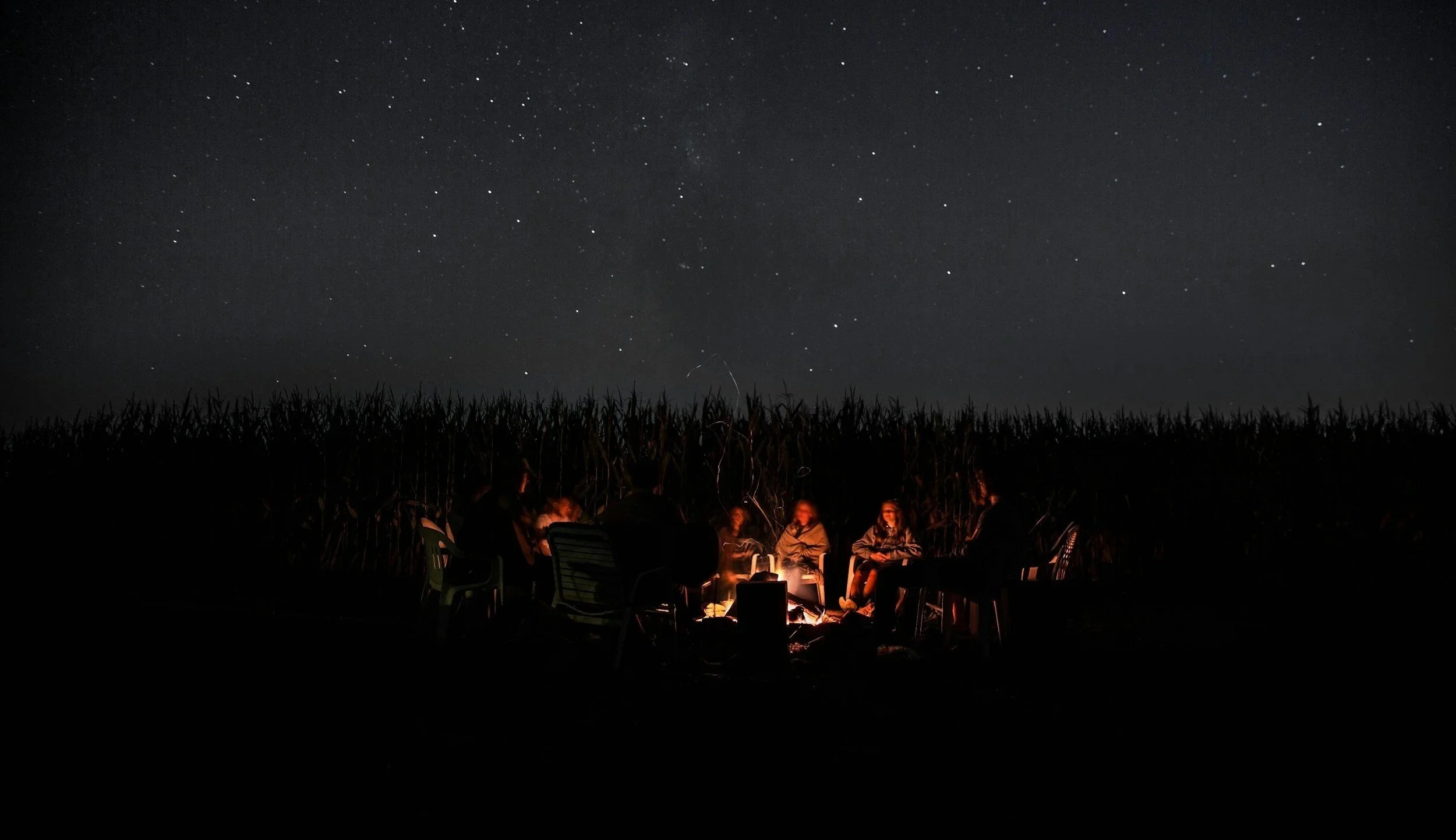
A real story makes people care. People have been telling stories around campfires for thousands of years, leaning in to listen and connect. That instinct hasn’t changed. When viewers feel something, they remember more and trust more.
Researchers call this “narrative transportation,” the idea that people become mentally immersed in a story (Green & Brock, 2000). You remember a founder’s struggle long after you forget a list of their product’s features.
This is why storytelling works, and why we build videos around people, purpose, and the journey behind your organization. Like campfire stories, the best stories create connection, understanding, and a sense of shared experience.
Why Brand Storytelling Matters
A strong brand story builds connection faster than any sales pitch. When someone hears a story they identify with, they naturally feel closer to the brand behind it. Research has shown that storytelling can spark emotional attachment and even “brand love,” which leads to stronger loyalty and advocacy (Dias et al., 2021).
Brand love shows up in behavior. People share your video without being asked. They reference your story when recommending you to a friend. They feel like they already know you before the first conversation. That is what a story that lands actually produces.
People respond to people. They want to know the face behind the business, the reason the company exists, and the moments that shaped it. When those elements come together clearly, the message lands.
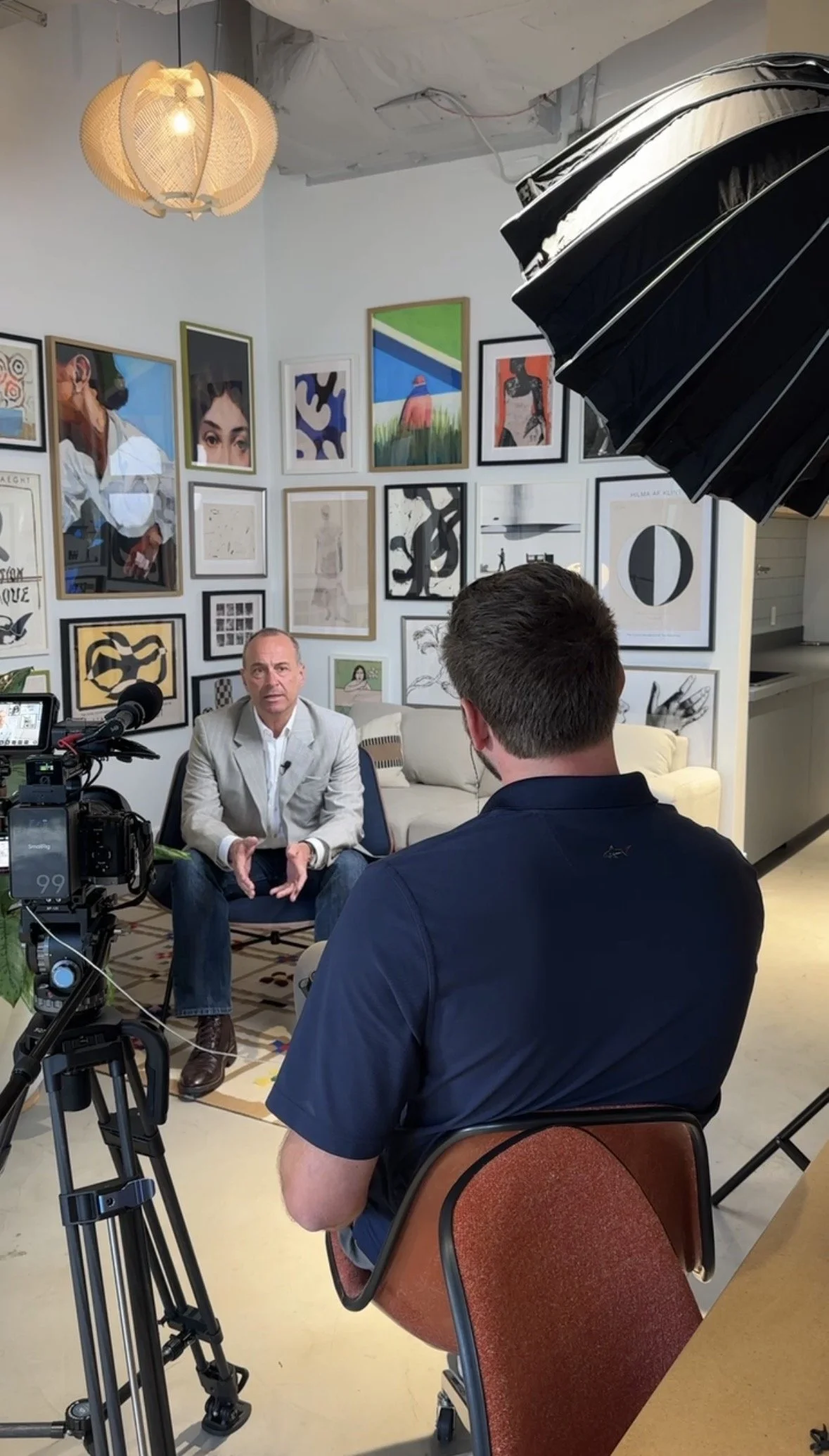
Authenticity matters too. Real moments, real voices, real environments. Studies show that authentic storytelling improves how consumers evaluate a brand and strengthens trust (Yin, 2023). This is one of the reasons we shoot documentary style. Realness translates.
For nonprofits and mission-driven organizations, this carries even more weight. Donors, volunteers, and community partners are not just evaluating your programs. They are evaluating whether they believe in you. A real person on screen, in their real environment, speaking in their own words does more for that than any brochure or pitch deck.
Why Video Makes Stories Even Stronger
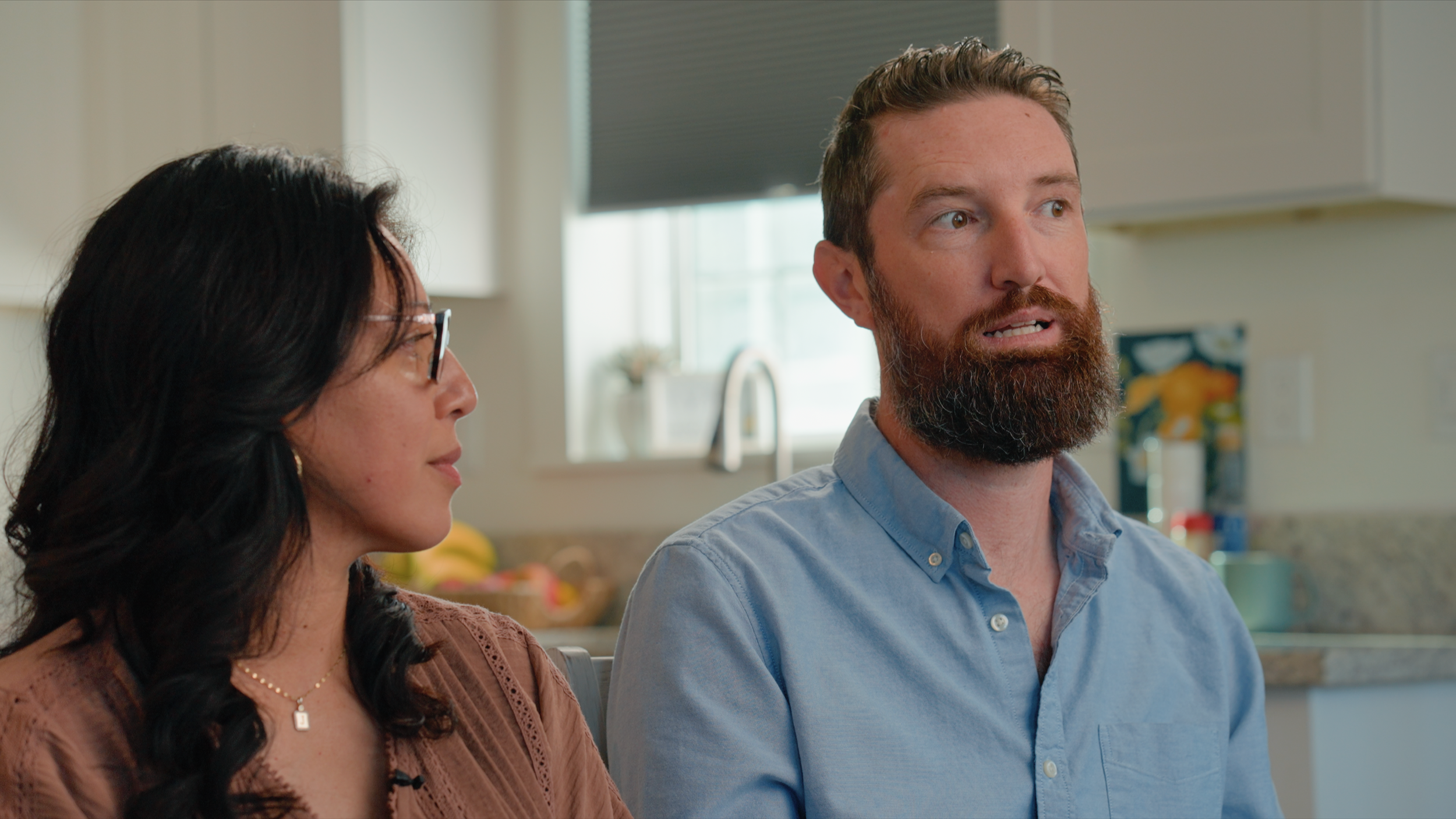
Storytelling works in any medium, but video amplifies it. It combines voice, expression, environment, and tone all at once. You can see someone's hesitation when they talk about their first big risk. You can hear the pride in their voice when they describe a turning point. Those details carry emotional weight that text cannot replicate.
Text can tell you someone was nervous. Video shows you the pause before they answer. A written testimonial says a program changed someone's life. A video of that person saying it themselves is a completely different experience.
For mission-driven organizations, that gap matters. When a nonprofit shares a written impact report, people read it and move on. When they share a two-minute film of the person whose life changed because of their work, people stop and pay attention.
Digital storytelling has also been shown to reduce uncertainty and improve brand image because it gives viewers an immediate sense of who they are dealing with (Kaur, 2024). In other words, people feel like they know you.
3 Ways to Share Your Story
These are the main brand storytelling videos that create emotional impact and give your brand a human identity.
Brand Story / Brand Film
Your ongoing narrative. Focuses on mission, values, and the journey from your starting point onward. Helps audiences connect emotionally and shows what your brand stands for now and in the future. In production, this typically looks like a 3 to 5 minute film that weaves together interviews, b-roll of your team or community in action, and real moments captured in the places where your work actually happens. It is the video you put on your homepage and show at every event.
Founder / Origin Story
Goes deeper into the beginnings. Highlights the people, early challenges, and events leading up to creation. Humanizes your company and shows the motivations that shaped your brand. This format usually centers one person in a meaningful location, telling the story in their own words, with visuals that bring the history to life. It tends to be the most personal video a brand makes, and often the most effective one.
Purpose and Mission Story
Explains why your organization exists. Attracts people who share your values and reinforces internal alignment, loyalty, and trust. Especially powerful for nonprofits and educational institutions seeking emotional engagement. This format often follows a beneficiary or community member through their experience, letting the impact speak for itself. The organization is present, but the person living the mission is the main character.
How to make an authentic brand storytelling video
You do not need a complicated script. Here is our approach:
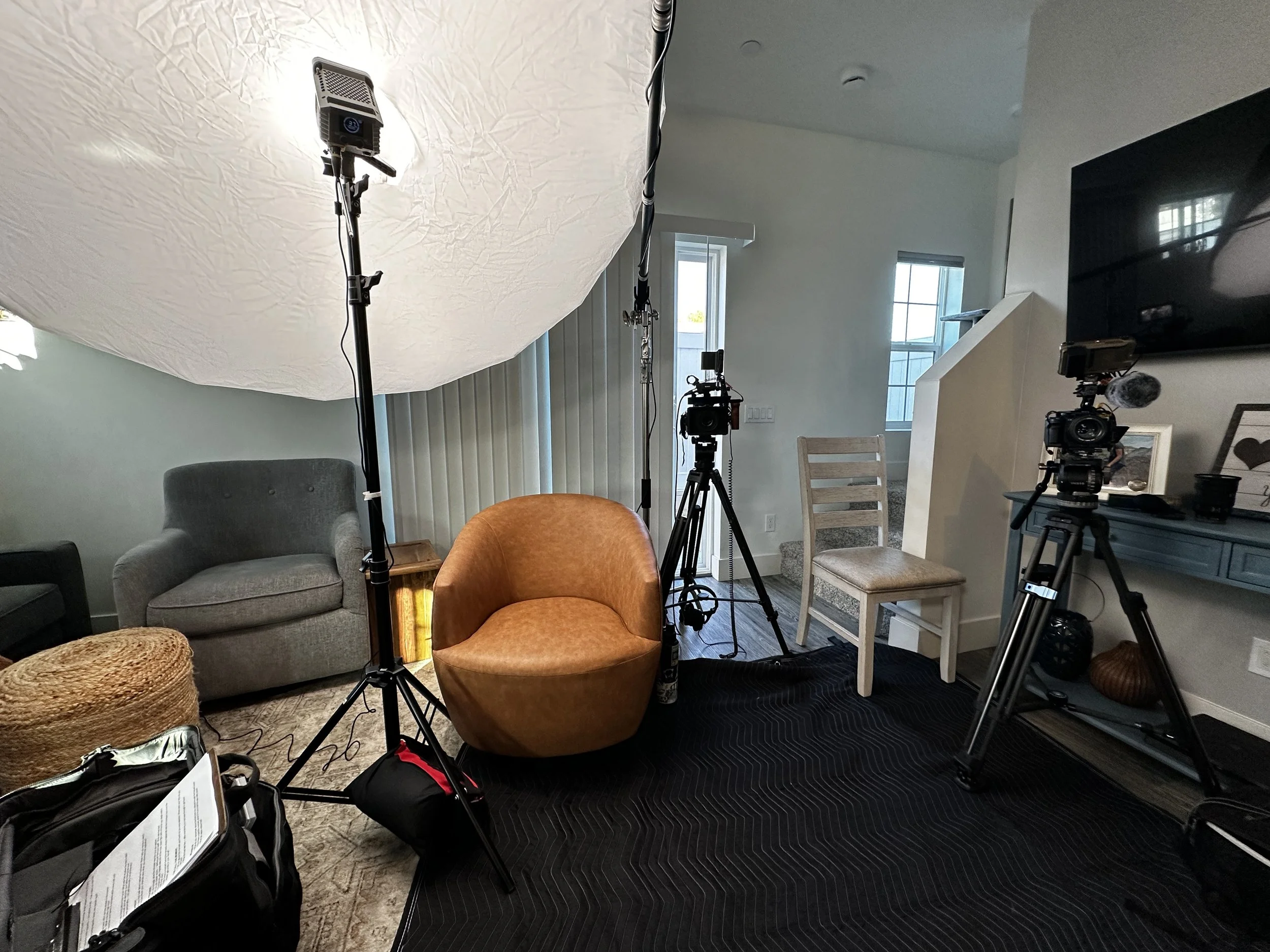
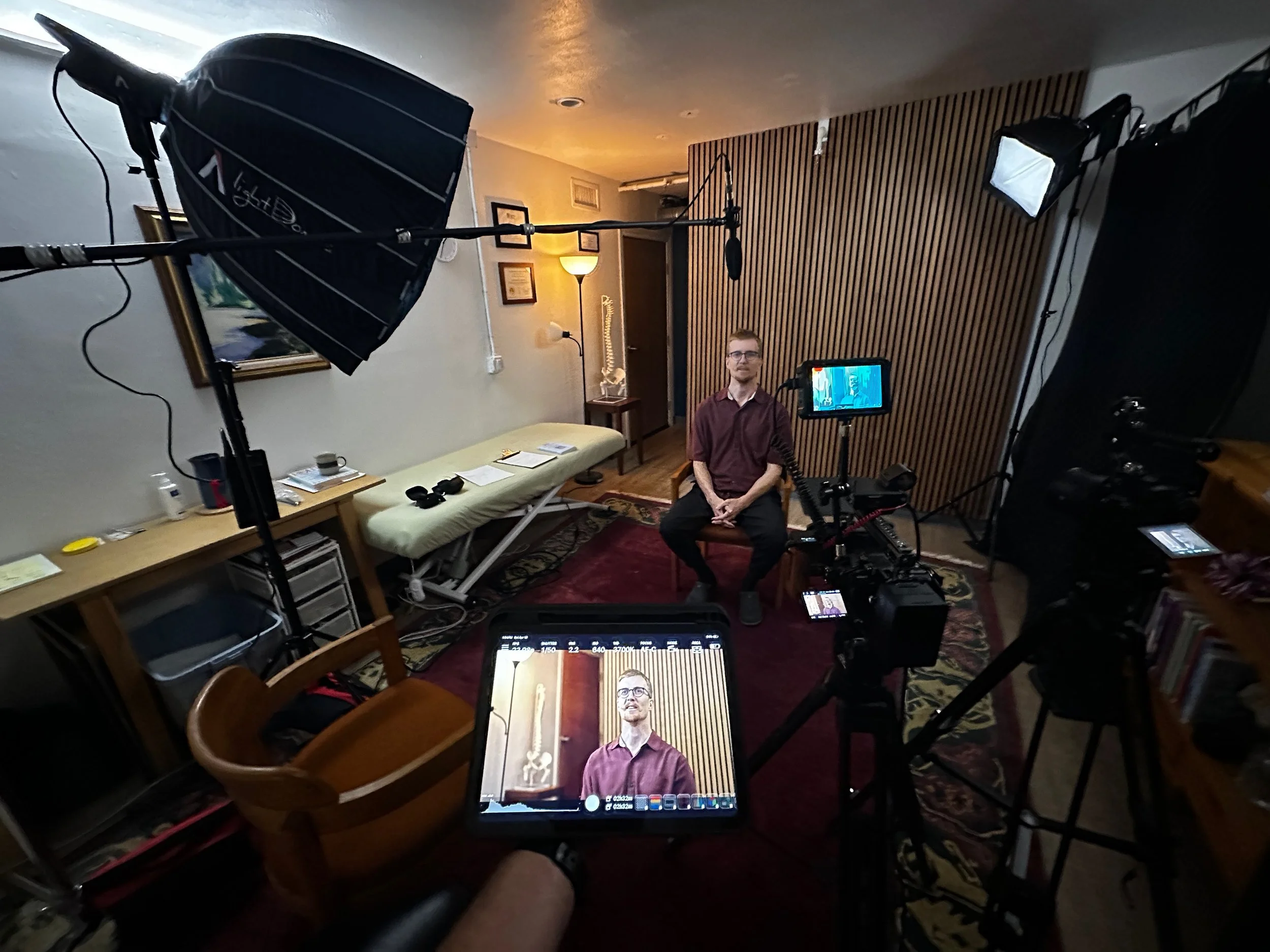
Start with a person as the anchor. Pick one person whose experience represents what your organization does at its best. A single compelling voice is easier to follow than a rotating cast of talking heads.
Highlight one clear moment of struggle or change. Stories need tension to hold attention. Find the moment where something shifted. A risk taken, a problem solved, a turning point reached. That is the spine of the video.
Let people speak naturally. Skip the teleprompter. Have a real conversation on camera and pull the best moments from it. Scripted answers sound scripted, and viewers notice.
Capture real environments. Shoot where the work actually happens. A program director filmed in their office tells you something. That same person filmed in the community they serve tells you something much more powerful.
Keep the arc simple: beginning, pivotal moment, outcome. You do not need a complex narrative structure. Set up who the person is, show the moment that mattered, and land on where things stand now.
Avoid perfect polish. A slightly imperfect interview where someone says something real is worth more than a perfectly lit corporate delivery. Viewers can tell when something feels rehearsed.
The strongest moments always happen when someone shares a small detail they were not planning to share. That is usually the moment that sticks.
Who Your Story Connects With
This strategy is especially effective for organizations that want to attract:
New clients who value trust and connection
Investors or partners who want to understand the mission
New hires looking for culture fit
Customers comparing your company to several competitors
For nonprofits, story-driven video works because your audience already cares about the cause. They just need a reason to care about you specifically. Stats and program outcomes matter, but they rarely move people to donate, volunteer, or advocate. A real person talking about a real experience does. It gives your audience something to point to when they share your work with someone else.
Stories create clarity. They help people decide who they want to work with.
Final Thoughts
A good brand story is honest, clear, and human. It does not try to impress. It tries to connect. When the story is real and the message is grounded in purpose, people respond to it.
Stories have power. Let's make yours unforgettable. Get in touch and we'll help you craft a story people will remember.
WaveMark Media is featured on DesignRush as a top San Diego video production company.
Sources
Dias, P., Moreira, A. C., Pereira, C., & Ayrosa, E. A. T. (2021). The role of storytelling in the creation of brand love. Journal of Brand Management, 28(1), 60–75.
Green, M. C., & Brock, T. C. (2000). The role of transportation in the persuasiveness of public narratives. Journal of Personality and Social Psychology, 79(5), 701–721.
Kaur, J. (2024). Impact of digital storytelling on improving brand image. Journal of Marketing Communications, 30(2), 155–170.
Yin, C. C. (2023). Telling an authentic story by aligning with your product type. Psychology & Marketing, 40(5), 951–963.
