Before you watch a showreel or compare quotes, decide which kind of company you need. “Video production” covers several different businesses that happen to own similar cameras, and most bad hires come from picking the wrong kind.
There are levels to this
Think about hiring for a construction project. You wouldn’t call a high-rise construction firm to hang shelves in your office, and you wouldn’t ask a handyman to pour the foundation for a new office building. Both are skilled. Each one fits a different scale of job, and hiring the wrong one costs you either money or quality. Video has the same structure.
Commercial video production companies. These teams make TV spots, national campaigns, and high-end brand films. They work with ad agencies, large crews, casting, wardrobe, and sometimes union talent. The process is built for big budgets and long timelines. If you need a 30-second spot to air on television, start here.
Social media videographers and content creators. These are fast, flexible, and often one person with a good eye and a quick turnaround. They do short, trend-aware posts and a steady flow of content very well, so if you need ten Reels a month, hire one.
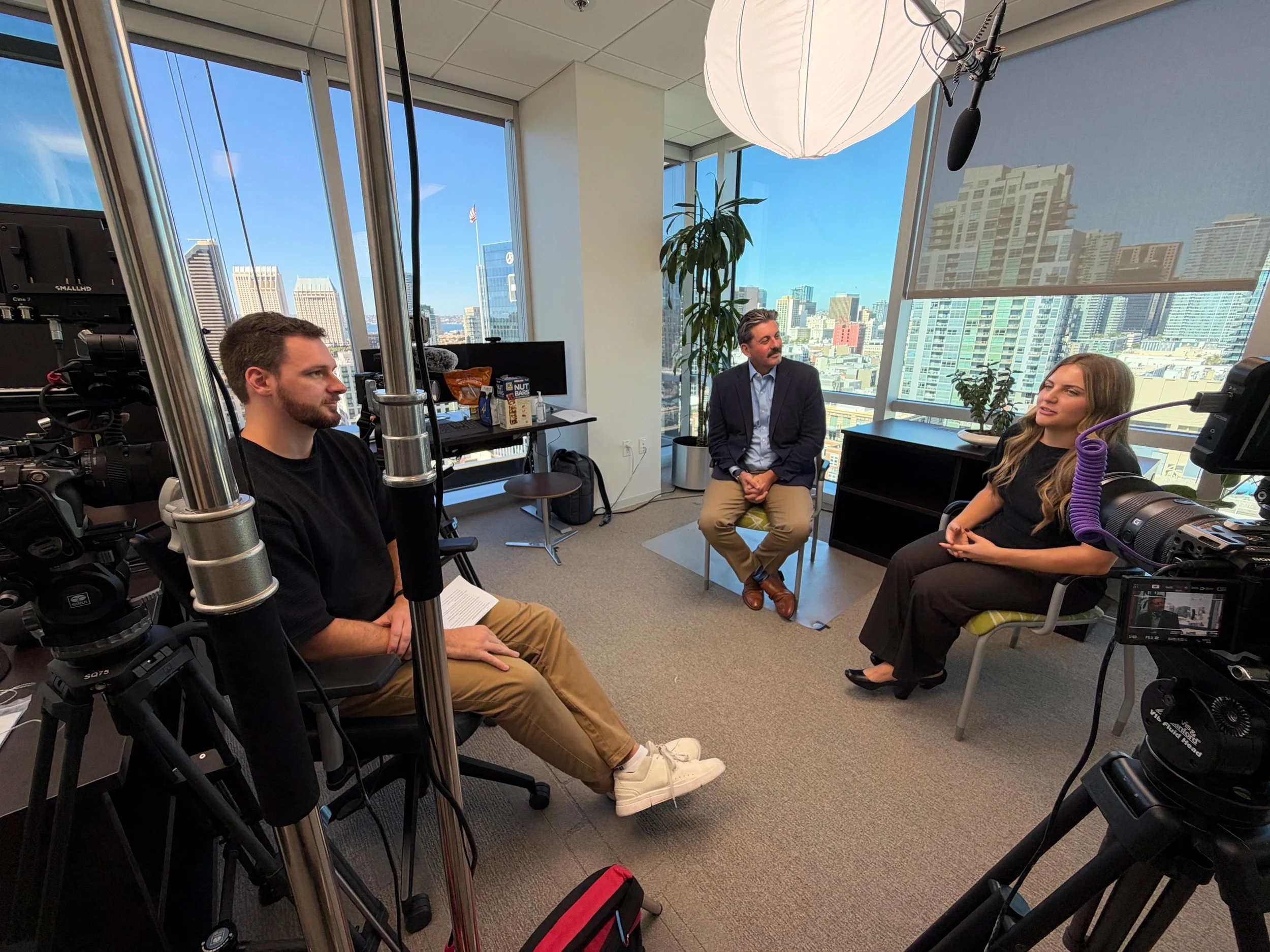
Corporate and brand storytelling production companies. This is the middle tier, and it’s where WaveMark Media works. These are the videos that carry an organization’s message and have to look professional doing it: program impact videos, mission overview videos, founder and community stories, leadership messages, and brand films. The work is interview-driven and strategy-first. It takes a team that can shape your messaging into something people want to watch, and that can represent you well in front of the people being filmed. It is often categorized as “corporate video” even if the organization being filmed isn’t a “corporation”.
Start with what you’re trying to make
Before you contact anyone, answer these:
Where will this video live? Broadcast, website, event, email, social feed, or several of those?
What should it do? Raise money, recruit students, build trust, explain a program, show the impact of your work?
Who is in it? Actors, or real people telling real stories?
How long will you use it? A flagship video that will last for years? Or a social media post that has a shorter shelf-life?
If the answer is “a commercial for TV,” start with commercial production companies. If it’s “a steady stream of short social posts,” start with a social videographer. If you’re looking for videos that communicate your mission, feature your people, and hold up under scrutiny from your board, community, and leadership, call WaveMark Media.
Ethical storytelling should be a deciding factor
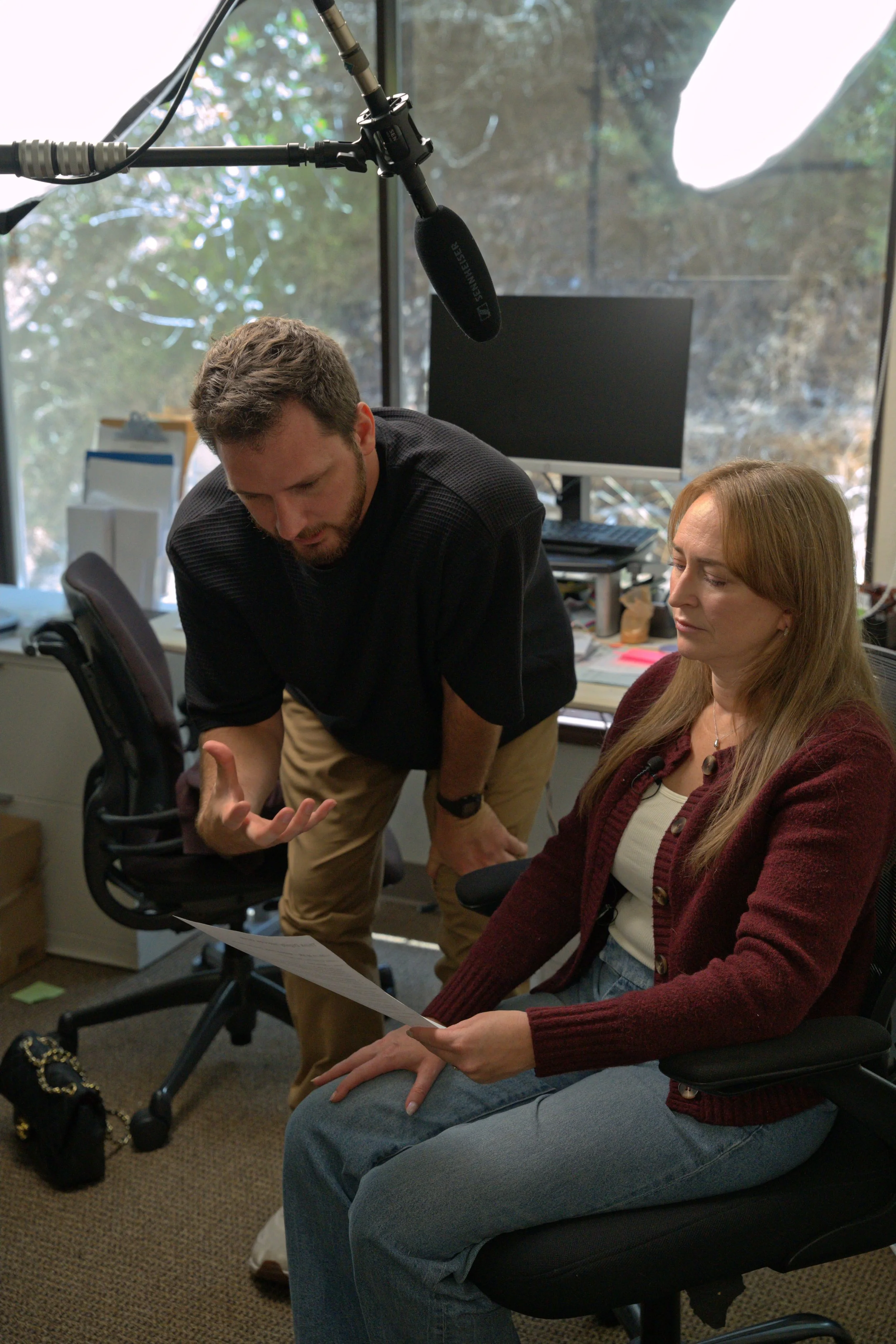
If you’re a nonprofit, a university, or a purpose-driven brand, your videos feature real people talking about real parts of their lives. The people in your videos trust you and your production partner with something personal, and the way the interview is conducted shapes both what they say and how they feel afterward.
This is where production companies differ most, because good ethical practice happens before the camera rolls and shows up in how the person on screen looks and sounds. Here’s what to look for.
The interviewer is conscious of language. Words carry weight in sensitive interviews. A good interviewer chooses wording that respects the person, avoids labels the subject wouldn’t use for themselves, and doesn’t lead someone toward a more dramatic version of their own story. They know, for example, to say “people experiencing homelessness” when that’s the language the community prefers.
The interviewer is informed about the subject. Someone interviewing a person about trauma, poverty, mental health, or discrimination should understand the basics of that subject before the interview. They should know which topics might surface unexpectedly, how to slow down when a conversation turns heavy, and when to stop recording.
Consent is informed, specific, and ongoing. A signature on a release is the minimum. Subjects should understand in plain language where the video will appear, how long it may be used, and whether it could be used in paid advertising. They should know they can pause, skip a question, or stop at any time. For sensitive stories, they should have a chance to review how they’re portrayed before it’s published, and a clear way to ask for changes.
People are shown with dignity. Every participant should be depicted with their own agency, voice, and future. Ask what they do to make sure the person featured comes across as the author of their story rather than a symbol in yours. It is important to acknowledge the harshness of real-life circumstances but not dwell on it.
The crew treats subjects well on set. The director and crew represent your organization to everyone on set. Ask how they brief subjects, how they set expectations before filming, and how they carry themselves in a shelter, a classroom, or a community event.
Ask About Strategy
Some companies are excellent executors. You hand them a script and they film it well, which is fine if you’ve already done the strategic work. If you haven’t, you want a partner who asks about your goals and audience before they talk about shoot days. They should ask “what are you trying to achieve with this video?”
Compare scope, not just price
Two reasonable companies can quote the same project at very different numbers because they scope it differently. Before you compare, find out what each quote includes:
Is there a discovery call or strategy session? Will they help write interview questions or a script?
How many filming days, and how big is the crew?
How many rounds of revisions are included?
What deliverables do you receive at the end?
A company that answers these specifically has done this enough to know what a project takes.
Pay attention to how they communicate
How a team communicates in the first few interactions can set the tone for the whole project. Do they respond clearly? Do they ask real questions about your goals? Do they explain things in plain language? Do they ever push back? A good partner will tell you when an idea won’t work as well as you think, and a team that agrees with everything may not know what it’s doing.
Why local matters
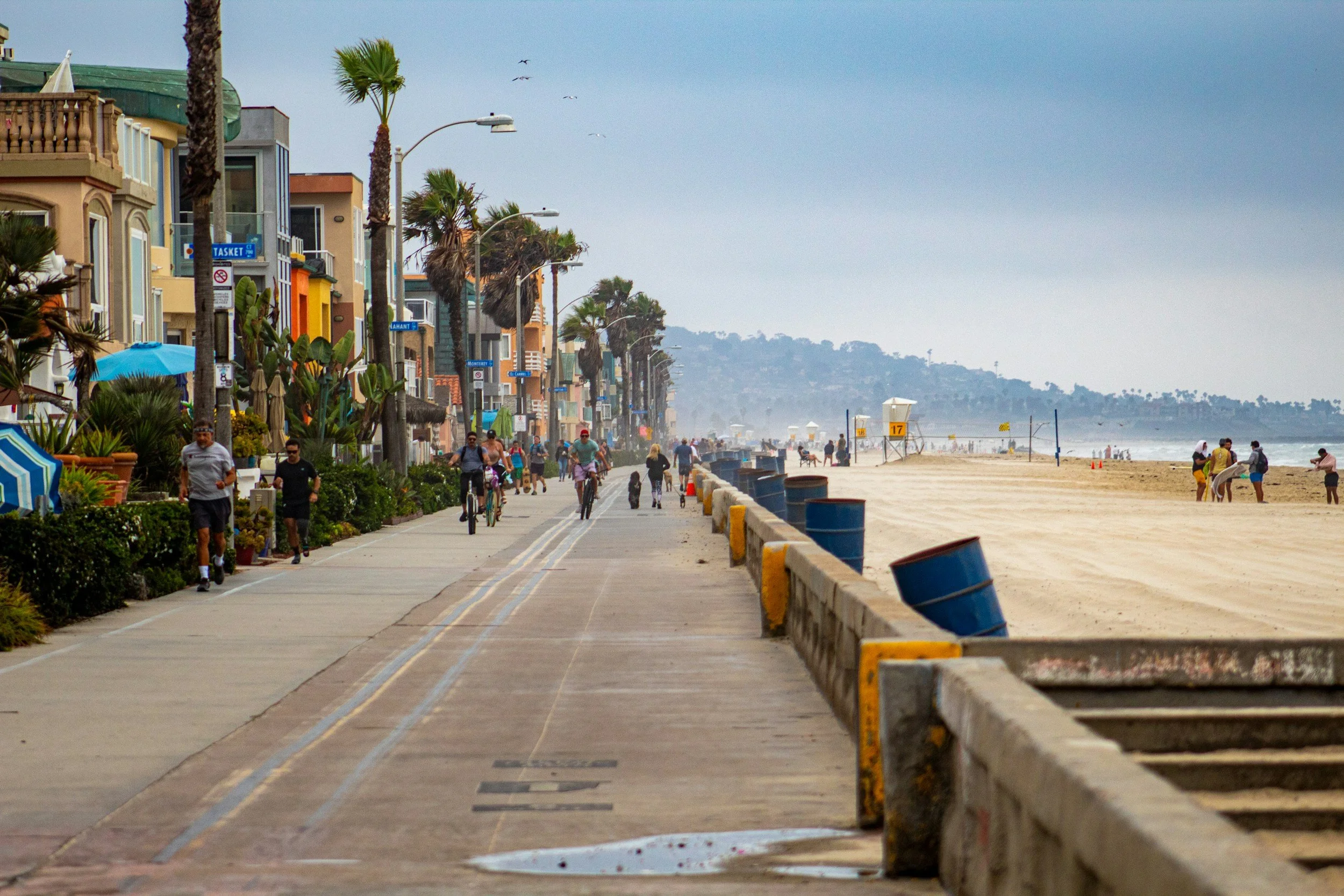
For interview and b-roll work, a San Diego company can scout locations ahead of time, knows how the light behaves at different hours, and has no travel logistics eating into a shoot day. They also know the places. An interview in a community space in Chula Vista or on a project site in North Park goes better with a crew that already knows those environments and the people who live and work nearby.
Can they sound like you?
A team that can take your brand guidelines, tone, and messaging and turn them into something that works on screen is invaluable. Plenty of organizations arrive with strong talking points and a mission statement, and those don’t automatically become a good script or interview. The right partner shapes that raw material into something people will watch, without losing what makes your organization specific.
Questions worth asking:
Will you review our brand guidelines and messaging before we start?
Can you show a time you turned existing talking points into a script or interview structure?
Red flags
No clear pre-production process. If the first question is about the shoot date and not your goals, expect that approach to carry through the project.
No clear consent process. If they can’t explain how subjects are informed and how releases work, they probably haven’t needed to.
Reluctance to share references. A company with a good track record will connect you with past clients.
Guaranteed results. Nobody can promise viral reach or conversion lifts before a frame is shot.
The short version
Decide what you’re making first, because that tells you which level of production company to call. Then weigh how they treat the people on camera as heavily as how the finished video looks. Look at their work, ask about their process, compare what’s included, and notice how they communicate.
If you need professional video that communicates your organization’s message, carries your brand, and treats the people in it with care, WaveMark Media does that work. If you’d like to talk through your project, we’re happy to have that conversation.
Frequently Asked Questions
What type of video production company do I need?
It depends on what you’re making and where it will live. Commercial production companies handle broadcast and national campaigns, social media videographers handle short, fast content, and corporate and brand storytelling companies make interview-driven videos that carry your mission. Most nonprofits, universities, and purpose-driven brands need the third kind.What is the difference between a videographer and a video production company?
A videographer is usually one person who films and edits. A video production company brings a team and a process: strategy, pre-production, interviewing, filming, editing, and delivery. A videographer can be enough for a simple recording. A story that carries your mission benefits from a team with a process.What is corporate and brand storytelling video production?
It’s the middle tier between commercial production and social media content. These teams make interview-driven, strategy-first videos such as program impact videos, mission overview videos, founder and community stories, and leadership messages. It’s often called “corporate video” even when the organization is a nonprofit, university, or purpose-driven brand.Is corporate video production only for corporations?
No. “Corporate video” is the industry label, and most directories and search results use it. Nonprofits, universities, and mission-driven brands regularly hire corporate video production companies for program impact videos, community stories, mission overview videos, and leadership messages.How much does a nonprofit video cost?
Most flagship projects are around $4,500 - $12,000. Cost depends on shoot days, crew size, number of interviews, locations, revision rounds, and how many versions you need. Two reasonable quotes can differ because the work is scoped differently, so ask each company exactly what is included before you compare.Why do video production quotes vary so much?
Companies scope projects differently. One quote may include strategy sessions, interview development, a full crew, several revision rounds, and social cutdowns, while another covers only filming and one edit. Compare what’s included in pre-production, shoot days, post-production, and deliverables before comparing totals.How do I know if a video production company is the right fit?
Start by deciding what you’re making and where it will live, then look for relevant portfolio work, a clear pre-production process, a thoughtful approach to consent and sensitive interviews, and a team that asks about your goals before they talk about gear.What should I ask before hiring a video production company?
Ask what’s included in pre-production, how interviewers are prepared for sensitive topics, how consent is handled, whether they use generative AI, how many revision rounds are covered, who will be on set, and how they approach distribution after delivery.What should a nonprofit look for in a video production company?
Experience with program impact videos, mission overview videos, and community stories, comfort with first-time on-camera subjects, a clear consent process, and clarity on usage rights across galas, annual reports, grant applications, and social.How is a university video project different from other video projects?
There are more stakeholders, a defined brand guide, and campus logistics like class schedules, student privacy, and consent. Ask how the company manages approvals across departments.What should a purpose-driven brand look for in a video production company?
A team that can tell your story accurately, push back on overstated claims, and feature customers and community partners with respect.Is it better to hire a local San Diego video production company?
For most interview-based and b-roll work, yes. A local team can scout locations in advance, knows the environments, and avoids travel overhead.How do production companies handle consent for sensitive stories?
A good partner gets written consent from every subject, explains the language in plain terms, lets subjects pause or stop at any time, and gives them a chance to review sensitive footage before it’s published.How do interviewers prepare for sensitive topics?
They research the subject and community beforehand, ask about preferred terminology, use open rather than loaded questions, and know when to slow down or stop recording.Should documentary-style videos use generative AI?
No. When a video presents real people telling real stories, everything the audience sees and hears should be real. That rules out AI-generated or altered faces and voices, synthetic testimonials, and AI-generated footage presented as a real place or event. Your audience treats what they see as evidence, and your subjects consented to their own words, face, and voice.Can AI replace a video production company for a nonprofit?
No. Anything an audience will take as a true account should be filmed with real people.How do I know a production company will represent our brand accurately?
Ask whether they review your guidelines and messaging before filming, how they brief subjects, and whether they can show an example of turning talking points into a finished video.
