
Where to Put Video in Your Gala Program

If you're using video at a nonprofit gala, where you put it in the program can make a big difference.
For an impact film that is meant to support fundraising, a good place is usually right before the main fundraising appeal. The story is fresh, the room is paying attention, and the person making the ask can build from what the audience has just watched. But that's not necessarily where every nonprofit video belongs.
A mission overview video has a different purpose. A testimonial can be used in a few different ways. An honoree film has its own place in the evening. So before deciding where the video goes, it's worth figuring out what kind of video you're making and what you want it to do.
Start with what you want the video to accomplish
There are a lot of different reasons a nonprofit might want video at a gala. Most of the guests might already know the organization, and you want to show them what their support actually means to someone. Or you've got a room full of people who have never heard of your nonprofit and need a quick introduction. Or you're recognizing a longtime donor or volunteer. Those are different jobs.
A useful way to think about it:
Where Each Video Fits
| Type of Video | What It's Trying to Do | Where It Might Fit |
|---|---|---|
Impact Film |
Show what the organization's work means to a real person or community | Usually before the fundraising appeal |
Mission / Overview Video |
Introduce the organization and explain what it does | Reception or earlier in the program |
Testimonial |
Let someone speak directly about their experience | Before the ask or alongside a speaker |
Honoree Film |
Celebrate a donor, volunteer, partner, or community member | During the recognition portion of the evening |
You don't need all of these. Most galas don't need a parade of videos throughout the night. One good film in the right place is more effective than turning every transition in the program into a video segment.
For fundraising, put the impact film close to the ask
If you're making an impact film specifically for your gala, put it shortly before the paddle raise or other main fundraising appeal.
The audience has settled in. They've heard about the organization. Now they get to spend a few minutes with someone who has actually experienced the work: a student, a family, someone who found housing or treatment or a program they didn't have access to before. The details will be different for every nonprofit, but the idea is the same: instead of explaining the mission in the abstract, let people see it through someone's experience. Then the person on stage can make the connection to the fundraising ask.
The film doesn't necessarily need to say, "Now please give." I usually like it better when it doesn't. Let the story be the story. Then let the person on stage talk about what the organization needs and what people in the room can do. That handoff can feel much more natural.
An impact film is different from a mission video
These two get lumped together pretty often, but they're doing different things.
A mission overview video is usually about the organization: who you are, what you do, who you serve, why the organization exists. It's a useful piece of communication, particularly when you're introducing the nonprofit to someone who doesn't know much about it.
An impact film is more about the experience of the people affected by the work: what was happening before they connected with the organization, what they needed, what changed once they got support. You might spend an entire three or five minute film following one person and barely mention some of the nonprofit's other programs. That's okay. They need a window into the work.
For a gala fundraising moment, that window can be much more powerful than trying to fit the entire mission into one film.
What about using a mission video at a gala?
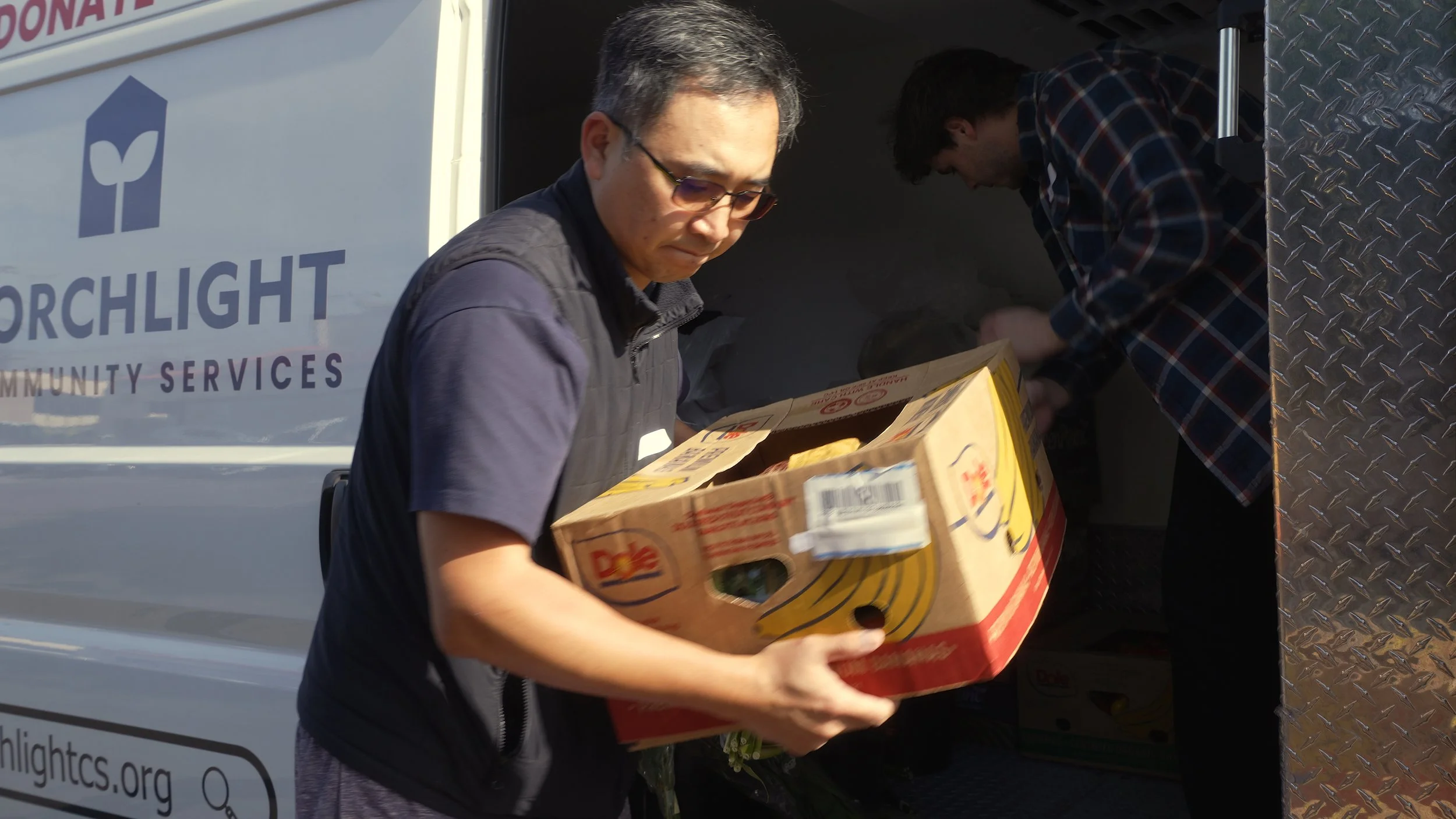
There are times when a mission video makes perfect sense. If you're expecting a lot of first-time guests, you may want to give people some context before the fundraising portion of the evening. A short mission or overview video could play during the reception, before dinner, or early in the formal program. It might introduce the organization, show the people behind the work, and give guests a better understanding of what they're supporting. That can be especially helpful when your guest list includes corporate partners, new donors, or people who were invited by someone else.
Just don't expect the mission video to do the same job as an impact film. One explains the organization. The other lets people experience a piece of its impact. If you're choosing between the two for the fundraising moment, lean toward the impact story.
How long should a gala impact film be?
Five minutes is a good sweet spot for an impact film. It's enough time to get beyond the surface of someone's story: to spend a little time in their world, hear from them in their own words, show the environment around them, and give the audience a chance to feel connected to the people they're watching.
That doesn't mean every gala film needs to be five minutes. If you're following one simple narrative, two or three minutes may cover it. If the story involves several people, different locations, or a more complicated issue, it may need to run longer. A four-minute film that feels complete beats a five-minute film stretched to hit a target, and a five-minute film with a real story beats a two-minute video that races through ten programs, six statistics, and three interviews.
The story should determine the length.
Give the film some room in the program
One thing that's easy to overlook is what happens immediately before and after the video.
If the film is important, don't bury it between a long introduction and three announcements. You want the room to know it's time to watch. Dim the lights. Give the audience a clean transition into the film. And when it ends, don't immediately rush into the next thing. Even a few seconds of quiet can make a difference. Let the room come back to the person on stage.
If the fundraising appeal follows the film, the speaker should already know how they're going to pick up the thread. This is worth talking through with whoever is producing the film and whoever is leading the fundraising portion of the evening.
Test the video in the actual room
This one sounds obvious, but it gets missed: watch the finished video on the actual screens before the gala. Actually put it on the screens and listen to it through the room's sound system.
You'll learn things you can't see from the edit. The text might be too small. The audio might be too quiet, or too loud. The playback system might not handle the file the way you expected.
Those aren't things you want to discover when the room is full of 500 people. If possible, have the AV team run the video from the same system that will be used during the event. Confirm the audio levels, check the image quality, and make sure any on-screen text is readable from the back of the room. Dim the lights before it starts. It seems small, but it changes the experience considerably.
You're asking people to stop talking, put down their forks, and watch something together. The room should feel like it has shifted into that moment.
Don't forget the production timeline
An impact film takes longer to make than many people expect.
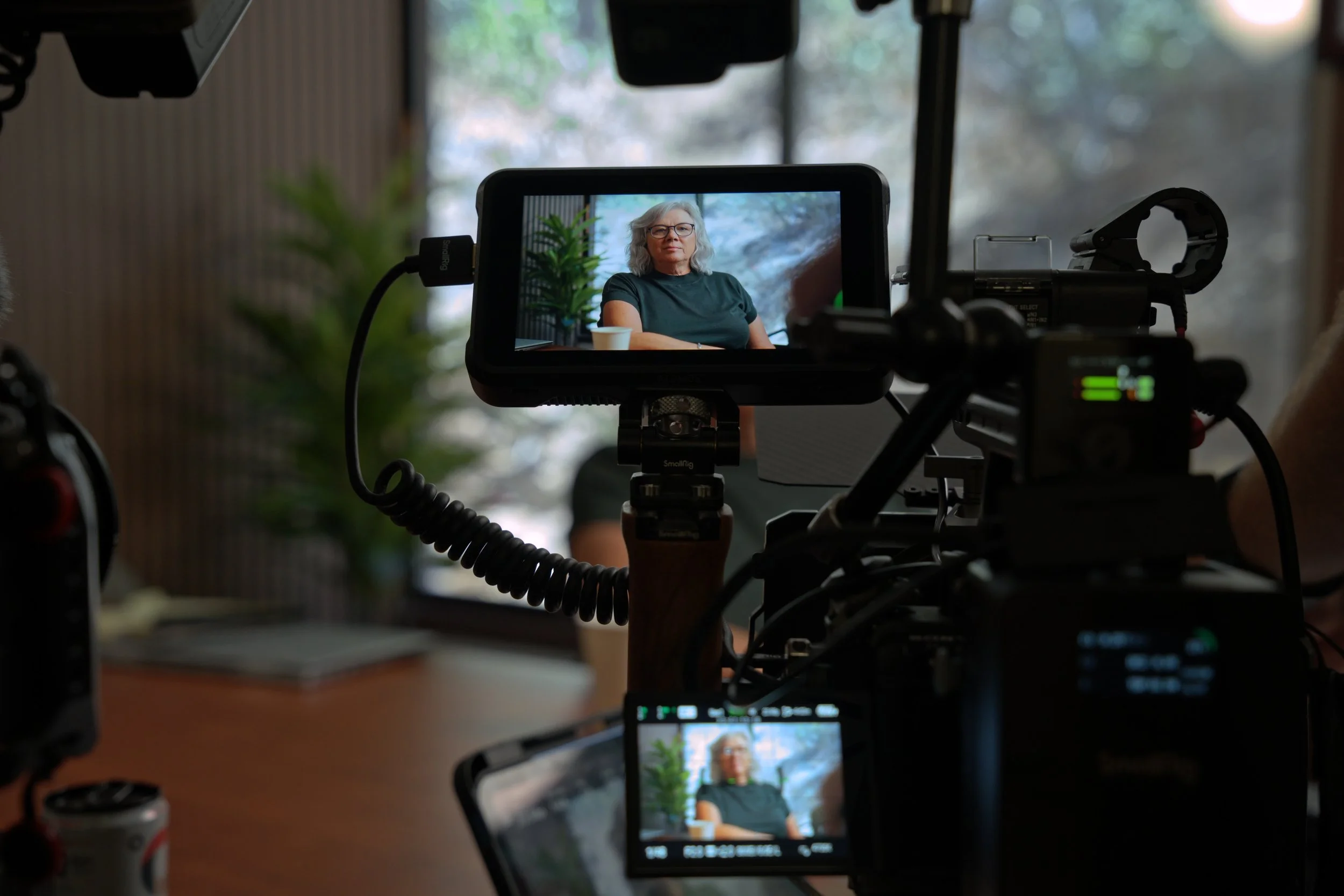
First, you have to find someone willing to participate whose story makes sense for the film. Then come the conversations and pre-interviews to make sure the story fits and the person is comfortable with the process. Then the actual filming, which might be one day or several depending on the story. Then the edit, then reviews, then revisions, then more reviews, then final approval.
For a more involved impact film, two to four months is a reasonable planning window. Some projects move faster. Larger stories with multiple participants, locations, or a longer final film can take considerably more coordination.
This is worth considering when you're planning the gala itself. The film shouldn't be the last piece squeezed into the schedule after the rest of the event is already locked. If you know the film is going to be a major part of the evening, work backward from the gala date. Give yourself enough time to find the right participants, tell the story properly, and get through review without everyone panicking two weeks out.
Choose your production partner carefully
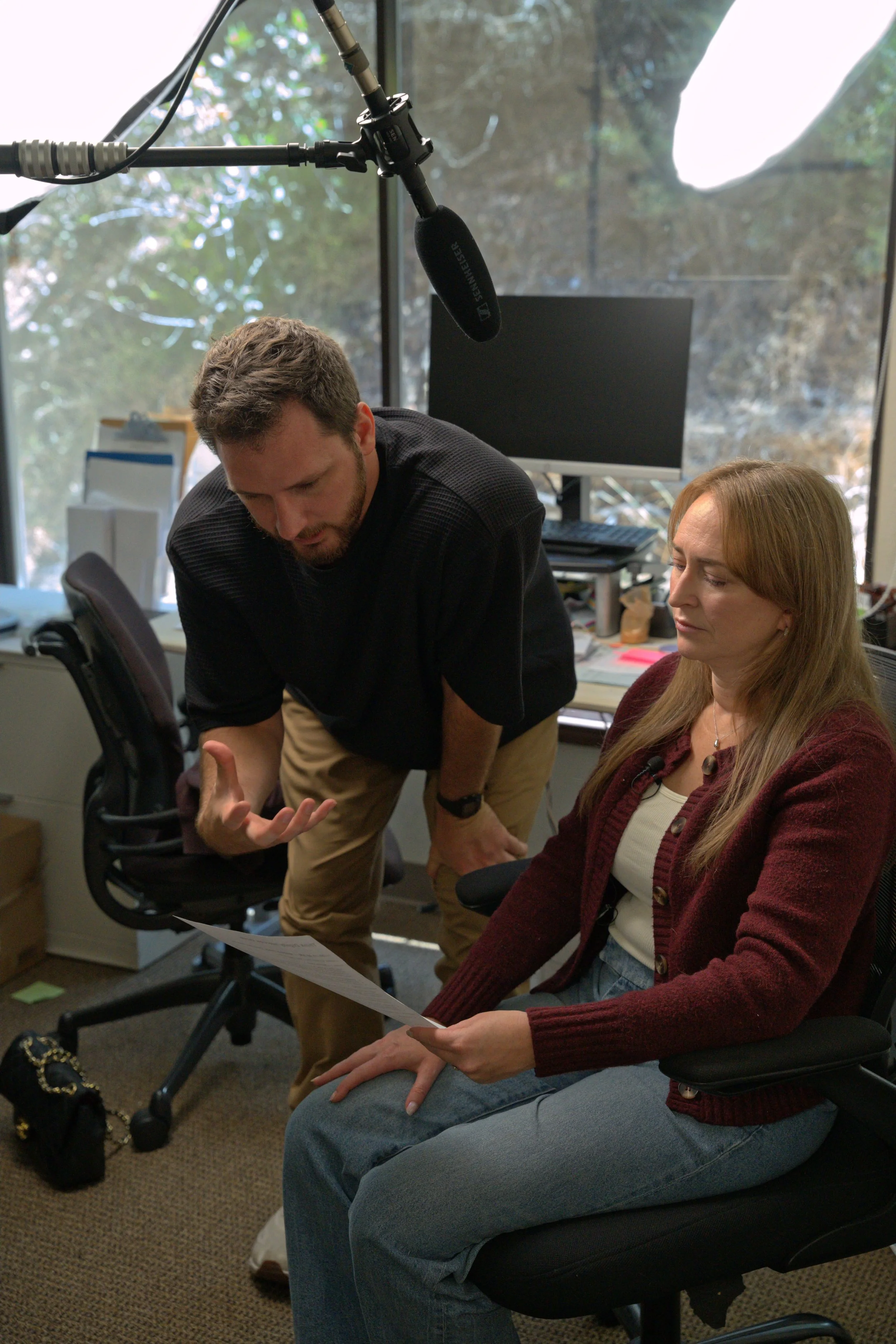
You're trusting a production company with access to your organization, your staff, your program participants, and often some very personal parts of people's lives. That matters.
Ask a production company how they approach ethical storytelling. How do they prepare participants for interviews? How do they handle sensitive stories? Are they interested in understanding the community you're serving, or mainly focused on getting a few good sound bites?
The people in your film are not just characters. They're people your organization has a relationship with. The production process should respect that.
When video probably isn't the right choice
There are also times when you don't need a video at all.
If you have someone with a compelling story who's comfortable speaking live, let them tell it. If your program is already packed, another five minutes may not improve the evening. And if the only reason you're making a video is because the venue happens to have a giant screen, think about it again.
Video is useful when it lets the audience experience something the live program can't: seeing the place where your work happens, meeting someone who couldn't be at the gala, spending a few minutes inside someone's experience, or a story that's simply better told through interviews and B-roll than from a podium. Those are good reasons to make a film.
A simple gala program
There isn't one schedule every nonprofit should copy, but a program might look something like this:
Cocktail reception: a mission or overview video can play silently on screens as guests arrive.
Welcome: the emcee or nonprofit leader opens the evening.
Dinner: keep formal programming relatively light while people are eating.
Impact film: a short documentary-style story about someone affected by the organization's work.
Fundraising appeal: the speaker connects the story to the need and makes the ask.
Auction / awards / other program elements: whatever else belongs in your evening.
Closing: thank the people who came, gave, volunteered, sponsored, and helped make the event possible.
Your gala may look completely different. The important thing is that the video has a reason to be where you've put it.
If you're planning to showcase a video at your upcoming gala, WaveMark Media works with nonprofits in San Diego and beyond to tell these stories. We tell authentic stories through interviews, real-world footage, and the people at the heart of the work. You can view some of our nonprofit films or get in touch to talk through what you're planning and whether video makes sense for your event.
Further reading
If you're planning the broader gala program, these are useful resources to have alongside this article:
CharityAuctions: Gala Fundraiser Guide for Nonprofits — A detailed look at gala structure, program order, planning timelines, and the role of a mission moment.
Givebutter: How to Plan a Fundraising Gala Event — Covers gala planning from goals and budgeting through program development and day-of execution.
Soapbox Engage: How to Plan a Nonprofit Gala — Another useful planning checklist for building the larger event around the fundraising goal.
Small, Loewenstein, and Slovic research via NCBI — Research examining mental imagery, emotional response, and charitable giving.
RallyUp: Paddle Raise Fundraising Guide — Practical guidance on planning and running a paddle raise.
Debbie Scheer: Anchoring Psychology During Fundraising Events — Discussion of anchoring and how giving levels can shape the fundraising appeal.
Peak–end rule overview — Background on the psychological principle that people's memories of an experience can be influenced disproportionately by its most intense moment and its ending.
