
How to Find Your Nonprofit's Next Great Story
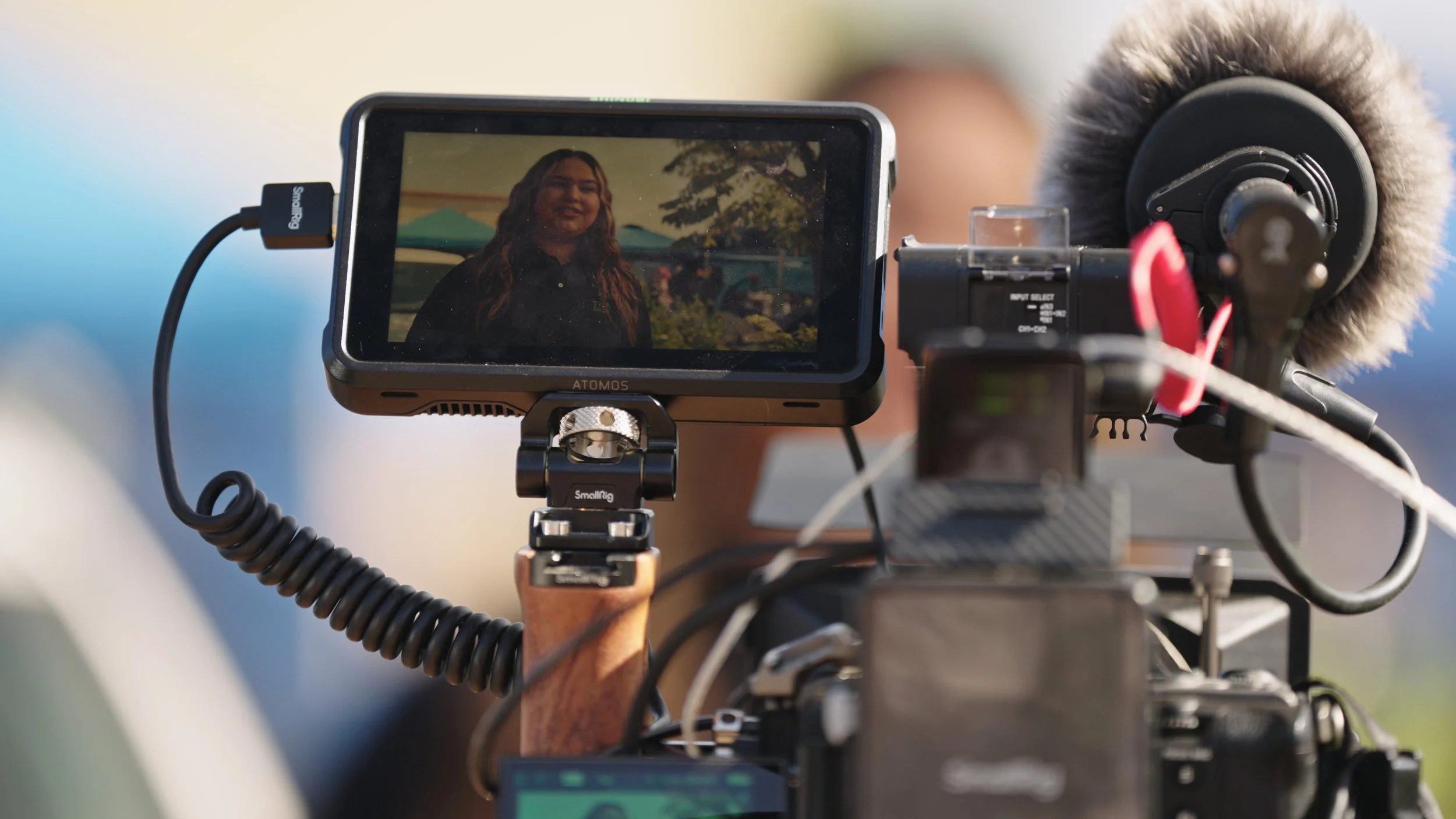
Choosing who to feature in your next impact film is harder than it looks. It's tempting to reach for whichever name comes to mind first, whether that's a board member's go-to success story or the client your team already knows well. Those names aren't wrong, but your team may have many more stories that are undiscovered.
For an impact film, the strongest subject is usually a program participant whose experience gives you a clear, specific, credible picture of what changed and how your organization played a role in that change. Finding that person doesn't have to be a guessing game. Here's a practical process for identifying, evaluating, and keeping track of potential subjects before a camera ever shows up.
Get clear on the type of story you need
Before you start asking around, decide what the film needs to accomplish. Is this about a single person's transformation over months or years? A specific program's outcomes? A family's experience navigating your services? Getting specific about the angle first makes the rest of the search easier, because it tells you which staff to talk to and which questions to ask them.
Volunteer and donor stories are worth collecting too, but they tend to function more like testimonials, explaining why someone chose to give their time or money rather than demonstrating what your organization accomplishes. For a documentary-style impact film, a participant's story is usually the strongest center, since it puts your organization's work in the context of a real person's experience.
Ask staff for names, not just leadership
Case workers, program managers, intake coordinators, and other frontline staff see something leadership often doesn't, which is transformation happening over time. They know who arrived struggling, who kept showing up, who made an unexpected breakthrough, and who came back months later just to say thank you.
A simple question can surface names that never would have made it into a board meeting: "Who is someone you've worked with whose story has stuck with you?" You can follow that with a few more angles, like who they've seen make the biggest change, or who could explain clearly what the program actually changed in their life. Asking several staff members rather than just one, and paying attention to names that come up more than once, usually points toward the strongest candidates.
Check what you're already collecting

There may already be strong leads sitting in places you're not currently looking. Exit surveys, program evaluations, follow-up emails, case notes where appropriate, Google reviews, GreatNonprofits reviews, and social comments sometimes include exactly the kind of detailed, unsolicited account that's hard to get in a scheduled interview. It's also worth checking what success stories you may already have in writing, since some organizations already have paragraphs of usable material sitting in old newsletters, grant reports, or annual reviews.
If a participant has already written several sentences, unprompted, about how your program affected their life, that's a strong reason to start a conversation. It doesn't automatically make them the right subject, but it's a lead worth pursuing.
Build a story bank before you need one
The best time to start collecting potential stories is before a video deadline is already on the calendar. A simple internal nomination process lets staff flag people as meaningful moments happen, rather than trying to remember them months later under time pressure.
This doesn't require complicated software. A short form in whatever system your organization already uses, whether that's Google Forms, a CRM, or a shared spreadsheet, is usually enough. Call it a Story Lead Form and keep it brief: who the person is, what program they were part of, what changed, what specific moment stands out, which staff member knows them best, and whether they've expressed any interest in sharing their story. The goal at this stage is to create a lead worth following up on later, something a case worker can submit in a couple of minutes when someone comes to mind.
When a campaign or film comes up months later, your communications team has a list of people worth exploring instead of starting from zero. It's worth being clear internally, though, that a nomination isn't the same as consent. A staff member can flag someone as a promising subject without that person having agreed to participate in anything. Formal permission comes later, once you've decided to pursue the story and can explain exactly how it will be used. Reviewing the story bank periodically, whether monthly or quarterly, keeps a short list of strong candidates ready whenever a new project comes up.
Look for transformation

A strong subject doesn't need the most dramatic outcome. What matters is a clear before and after: what was happening in this person's life before they came to your organization, what's concretely different now, and what role your organization played in that change.
The strongest stories usually start with some real tension, something uncertain or at risk, followed by a genuine shift. A parent who found stable housing and can now provide for their kids differently. A student who went from struggling in school to mentoring other students. Someone who was isolated and has since built a community they now help sustain. The outcome doesn't have to be extraordinary, but the change needs to be real and traceable to your program.
Look for specific details
"I'm so grateful for everything your org did" is a nice thing to hear, but it doesn't give an audience much to picture. Specific moments are what make a story land. Rather than "the program really helped me," you're looking for something closer to a scene: what a typical day looked like before, a particular conversation that mattered, or the moment someone first noticed things were different.
Questions that invite this kind of detail work well in early conversations:
What was a typical day like before you came to us?
Was there a specific moment when you realized something had changed?
What can you do now that you couldn't do before?
The goal is to find someone who can help an audience see what actually changed.
Build a shortlist before you commit
Rather than deciding based on the first compelling story you hear, gather three to five potential subjects and evaluate each against the same set of questions.
Here is an example of the scorecard to use. A perfect score isn't necessary, though several "no" answers is usually a sign to keep looking.
subject scorecard
| Question | Yes / No |
|---|---|
| Is there a clear before-and-after? | |
| Can they describe specific moments? | |
| Did our organization play a meaningful role? | |
| Are they willing to talk about the difficult parts? | |
| Do they genuinely want to participate? | |
| Do they understand how their story will be used? | |
| Have they provided consent? |
Have a conversation before you schedule a shoot
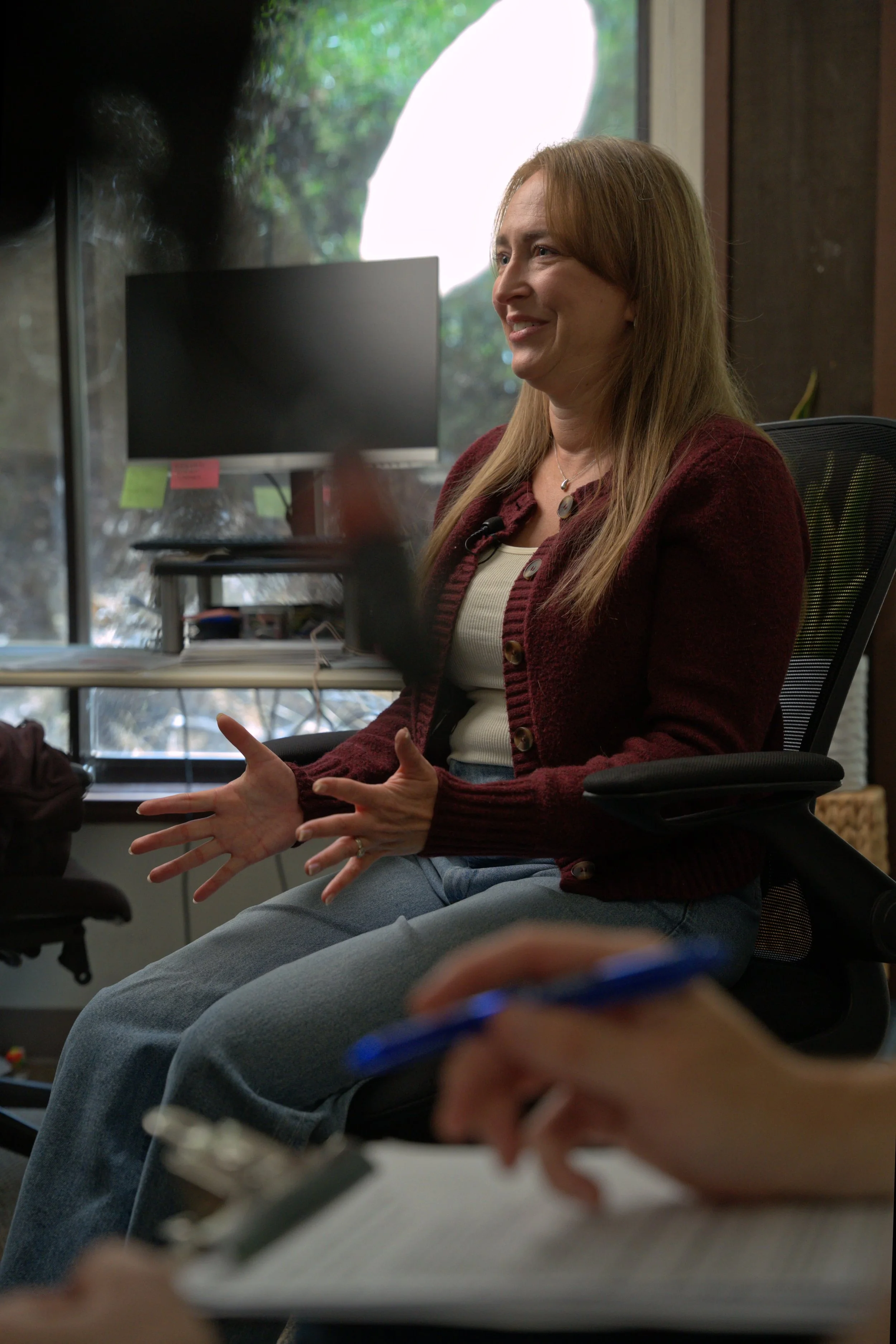
A person can have a remarkable story on paper and still struggle once a camera is actually running. A casual, low-pressure conversation beforehand, even just fifteen minutes, usually reveals whether they describe things specifically and personally, whether they're willing to talk about harder parts of their experience rather than jumping straight to the resolution, and whether they seem genuinely comfortable rather than simply going along with the idea because they feel they owe your organization something. This conversation is about checking whether the story, the person, and the filming situation are a good match before committing to a production day. Some stories are better left on paper if the participant doesn’t feel comfortable on camera.
Ask for permission early, and be specific
Permission should happen well before filming day, and it should be specific. Participants deserve to know why their story is being told, where the video will appear, who's likely to see it, whether it might be used across social media, your website, fundraising campaigns, or events, and whether the footage could be reused later. All participants in video projects should be required to sign a media/talent release form.
A 30-minute story-finding exercise
Building a pipeline of potential subjects doesn't require a major research project. Try this with your communications team once a quarter:
10 minutes: Ask three to five frontline staff members who they've worked with whose story has stuck with them, and write down every name that comes up. This can be in-person or an email.
10 minutes: Search recent surveys, reviews, social comments, and other feedback for people describing their experience in their own words.
5 minutes: Choose two to three potential subjects from what came up and add them to your story bank.
5 minutes: Run each one through the scorecard, looking for clear transformation, specific details, meaningful organizational impact, willingness to participate, and consent status.
The goal is to make sure that when the next video opportunity comes up, there's already somewhere to start.
Finding the clearest story, not the biggest one
The most powerful nonprofit stories usually aren't the most dramatic ones. They're the ones where an audience can understand where someone started, what changed, and why your organization's work mattered. That's worth taking seriously enough to build a real process around, rather than scrambling for a subject once a deadline is already set.
Starting with staff, building a simple story bank so promising leads don't disappear into old case files, checking what people are already saying, and talking with a few potential subjects before choosing one all make the eventual film stronger. So does making sure anyone who participates understands how their story will be used and has genuinely consented to sharing it.
At WaveMark Media, that's often where a documentary-style nonprofit film begins: not with a camera, but with a conversation about who on staff has a story they haven't stopped thinking about.
